


You are about to bite into a hot piece of food when you suddenly experience a sharp pain in a certain part of your tooth. You check, and this is the area you had just filled some time ago. What you have just experienced is what we call teeth sensitivity. It is not uncommon to experience tooth sensitivity after a dental filling. Your Orthodontics in Richmond Hill will provide insights and answer the question, Is it normal for teeth to hurt after filling?
What Are Dental Fillings?
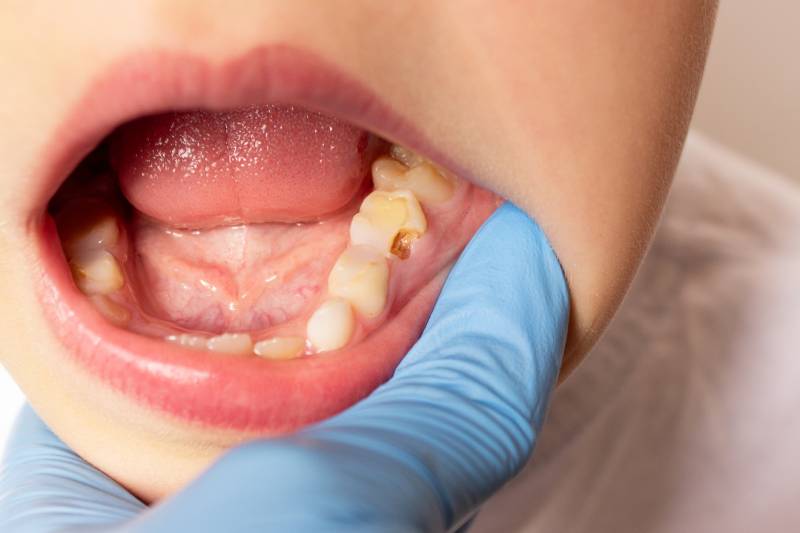
A dental filling involves the use of composite, porcelain, or other materials to treat and fill cavities in your teeth. A cavity refers to decaying areas of the teeth that form a hole and require filling. The Orthodontics administers a numbing agent to the affected area when filling a tooth. Next, the Orthodontics uses a dental drill to remove the decaying area of the teeth. Subsequently, the Orthodontics fills the hole with the appropriate filling materials.
Why Do I Feel Pain After a Dental Filling?
Due to the numbing agent applied during the dental filling procedure, you might not feel any sensation around the operated area until after a few hours. When this wears off, you might experience some sensitivity around the area. These sensations might include:
- * A sharp sensation after you eat hot or cold food items or drink hot or cold liquids like water, tea, coffee, and ice.
- * Discomfort at the affected area when brushing or flossing.
- * Clenching your teeth can also produce discomfort.
- * Tenderness in your gums and around the affected area.
A number of reasons can contribute to why you feel these sensations after a dental filling. It is worthy of note that although it is normal for teeth to hurt after fillings, we recommend you consult your Orthodontics if you experience prolonged sensitivity and discomfort.
Uneven Teeth
In some cases, a filled tooth can be taller than the surrounding teeth. This will lead to an uneven surface and a change in your bite.
In turn, you will experience increased pressure on the affected tooth and discomfort when you bite or clench your teeth. If you notice this, we recommend you contact your Orthodontics immediately, as an uneven bite can crack the filling.
Allergic Reactions
As mentioned earlier, fillings can be done with certain materials. If you are allergic to some of these materials, you might experience discomfort around the affected area. That is why consulting with your Orthodontics is important before you carry out any dental procedure. It ensures that the right materials are selected based on your needs and dental history.
Pulpitis
Your pulp is the connective tissue that forms the centre of your teeth. Pulpitis refers to the inflammation of the pulp, which is rare after tooth filling. It might occur if the tooth has experienced trauma, maybe because of an accident, a cracked tooth, or a blow.
Another reason for pulpitis is if the tooth has decayed to the inner pulp layer, therefore introducing bacteria into this sensitive area.
There are two types of pulpitis:
1. Reversible Pulpitis: In this case, the pulp remains healthy, and the mild inflammation will heal independently.
2. Irreversible Pulpitis: Here, the pulp becomes damaged and begins to die. In this case, you will need to undergo a root canal treatment to save your tooth.
As always, consult your orthodontist to ascertain the level of pulpitis truly. Depending on the severity, a restorative procedure can resolve pulpitis.
Deep-Filling Irritation
You might experience pain in the affected tooth after a filling, particularly a deep filling, because of irritation of the nerves. A deep filling occurs when the dentist has to remove decaying material and fill very close to the nerve endings at the root of the tooth.
Usually, the enamel and cementum protect this area from exposure. When deep filling occurs, the nerves might get irritated and inflamed, causing discomfort. This usually heals on its own over time.
How To Relieve Pain After Tooth Filling
You can reduce sensitivity or relieve discomfort after filling by:
- Use a desensitizing toothpaste: A good way to reduce sensations and sensitivity after a filling is to use a toothpaste that reduces sensitivity around the area. It is best to avoid teeth-whitening products.
- Reduce intake of hot or cold drinks and foods: Certain hot or cold liquids and foods can trigger sensitivity after a filling, so you need to avoid or reduce the intake of such foods. You should consume cold or hot drinks like soda, coffee, or tea sparingly.
- Gently brush and floss affected teeth: We advise you to brush and floss the filled tooth gently to reduce accidental trauma or cracking of the filling.
- Taking over-the-counter pain relievers: You can also reduce inflammation and discomfort by taking pain relievers. Be sure to discuss your options with your Orthodontics.
- You can also chew away from the affected area to reduce sensitivity.
How Long Should Teeth Hurt After Fillings?
Ideally, tooth sensitivity after filling should last anywhere between two and four weeks after the procedure. After that, you should be able to enjoy your favourite meals and conversations without discomfort. Remember to always consult your Orthodontics if you discover problems with the filling relating to an uneven bite, prolonged sensitivity, or a cracked filling.
Smiles on Yonge: Your Trusted Dental Partner
At our Richmond Hill Orthodontics practice, you will enjoy a comfortable and efficient experience. Our team includes skilled orthodontists and pediatric dentists dedicated to prioritizing your comfort and oral health. Moreover, we organize our scheduling to be smooth and convenient, fitting your busy timetable.
Let Us Restore Your Smile With Fillings That Last
Concerned about problems with dental fillings and tooth sensitivity? Schedule an appointment with our Richmond Hill orthodontics to address these concerns and explore options that can help alleviate tooth pain after dental fillings. Let us help guide you to a pain-free, lasting smile.