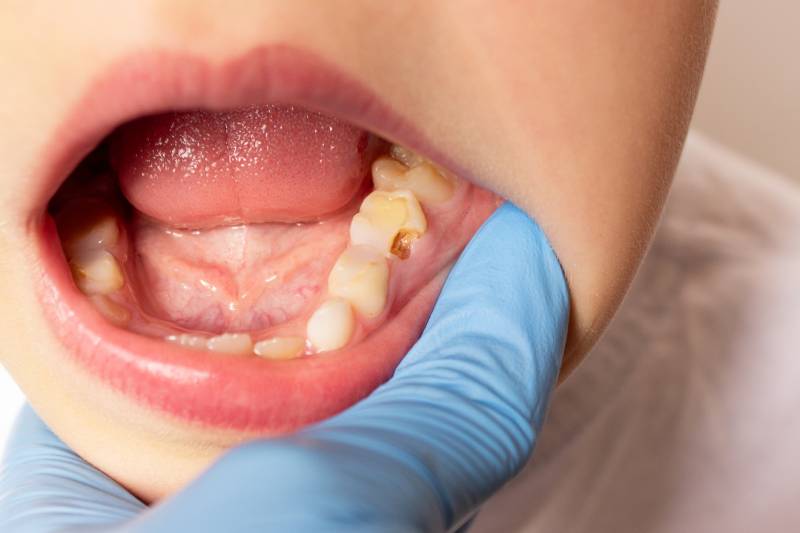



Dental fillings are a standard procedure for repairing tooth decay. While fillings are generally effective in restoring oral health, they can sometimes cause temporary discomfort.
A common question patients ask is, “How to relieve tooth pain after filling?” This article will provide valuable tips and information to help manage tooth pain following a filling procedure.
Understanding Tooth Pain After Filling
It’s normal to experience some sensitivity or discomfort after getting a filling. This pain is usually temporary and subsides within a few days. However, persistent or severe pain might indicate an underlying issue.
How To Relieve Tooth Pain After Filling?
Several factors can contribute to post-filling discomfort, including:
- * Sensitivity to hot and cold temperatures: This is a common side effect that often resolves within a week or two.
- * Bite problems: If the filling is too high, it can interfere with your bite, causing pain.
- * Infection: In rare cases, tooth pain after a filling might indicate an infection.
If you experience persistent or worsening pain, you must contact your Richmond Hill Orthodontics for an evaluation.
Home Remedies for Tooth Pain After Filling
While over-the-counter pain relievers can help manage mild discomfort, several home remedies can also provide relief:
- * Over-the-counter pain relievers: Nonsteroidal anti-inflammatory drugs (NSAIDs) like ibuprofen can help reduce pain and inflammation.
- * Cold compress: Applying a cold compress to your cheek can numb the area and reduce swelling.
- * Saltwater rinse: Rinsing your mouth with warm saltwater can help clean the area and reduce inflammation.
- * Avoid chewing on the affected tooth: To protect the filling and prevent further irritation, avoid chewing on the side of your mouth with the filling.
- * How to relieve tooth pain after filling? These home remedies can offer temporary relief, but it is essential to seek professional dental care if the pain persists or worsens.
When to See a Richmond Hill Orthodontic Provider
While some discomfort is expected after a filling, certain signs indicate the need to see an Orthodontics:
- * Severe or persistent pain: If the pain is intense or doesn’t subside after a few days, it’s essential to consult an orthodontist.
- * Swelling: Significant swelling around the tooth can be a sign of infection.
- * Sensitivity to bite: If biting the tooth causes severe pain, it might indicate a problem with the filling.
- * Fever or other systemic symptoms: These symptoms could indicate a more severe infection and require immediate dental attention.
Your Richmond Hill Orthodontics will conduct a thorough examination to determine the cause of your tooth pain and recommend appropriate treatment.
Preventing Tooth Pain After Filling
To minimize the risk of tooth pain after a filling, follow these preventive measures:
- * Good oral hygiene: Maintain excellent oral hygiene by brushing twice daily, flossing regularly, and using mouthwash.
- * Regular dental checkups: Schedule routine dental exams and cleanings to detect and address dental problems early on.
- * Avoid biting hard objects: Protect your teeth by avoiding biting on hard objects like ice or hard candy.
Following these tips can help prevent tooth pain and maintain optimal oral health.
Long-Term Effects of Tooth Pain After Filling
While most instances of tooth pain after a filling are temporary, it’s crucial to understand the potential long-term implications of persistent discomfort. Ignoring tooth pain can lead to more significant dental problems.
- * Infection: If an infection causes pain, it can spread to other parts of the tooth or jaw if left untreated. This spread can result in more severe symptoms, such as swelling, fever, or difficulty opening your mouth.
- * Tooth Loss: In severe cases, persistent tooth pain might indicate a dying tooth. If the infection reaches the tooth’s pulp, it can lead to tooth death and eventual loss.
- * Additional Dental Work: Neglecting tooth pain can necessitate more extensive dental procedures, such as a root canal or extraction. These procedures are typically more complex and costly than a simple filling.
To avoid potential complications, it is essential to seek professional dental care promptly if your concern about how to relieve tooth pain after a filling becomes persistent.
When to Consider a Root Canal
A root canal is a dental procedure used to treat the infected pulp within a tooth. If your tooth pain after a filling is severe, persistent, or accompanied by other symptoms, it may indicate the need for a root canal.
Signs that you might need a root canal include:
- * Severe, throbbing toothache
- * Sensitivity to hot or cold temperatures
- * Pain when biting
- * Swelling in the gums
- * A dark spot on the tooth
If you experience any of these symptoms, it is crucial to contact Richmond Hill Orthodontics. Delaying treatment can worsen the infection and lead to more complex dental procedures.
Early intervention is critical to saving your tooth and preventing further complications. By promptly addressing the issue, you can avoid more extensive and costly treatments.
Smiles on Yonge: Your Trusted Richmond Hill Orthodontics

If you’re worried about how to relieve tooth pain after filling or have any other dental concerns, contact Smiles on Yonge. Our experienced Orthodontics provider in Richmond Hill is dedicated to delivering compassionate and effective dental care. We provide a range of treatments to meet your oral health needs and help you attain a healthy, beautiful smile.
Schedule an Appointment Today
Walk into our Richmond dental office to discuss your dental concerns and receive the care you deserve. Remember, while home remedies can provide temporary relief, seeking professional dental care is essential for diagnosing and treating the underlying cause of tooth pain.